
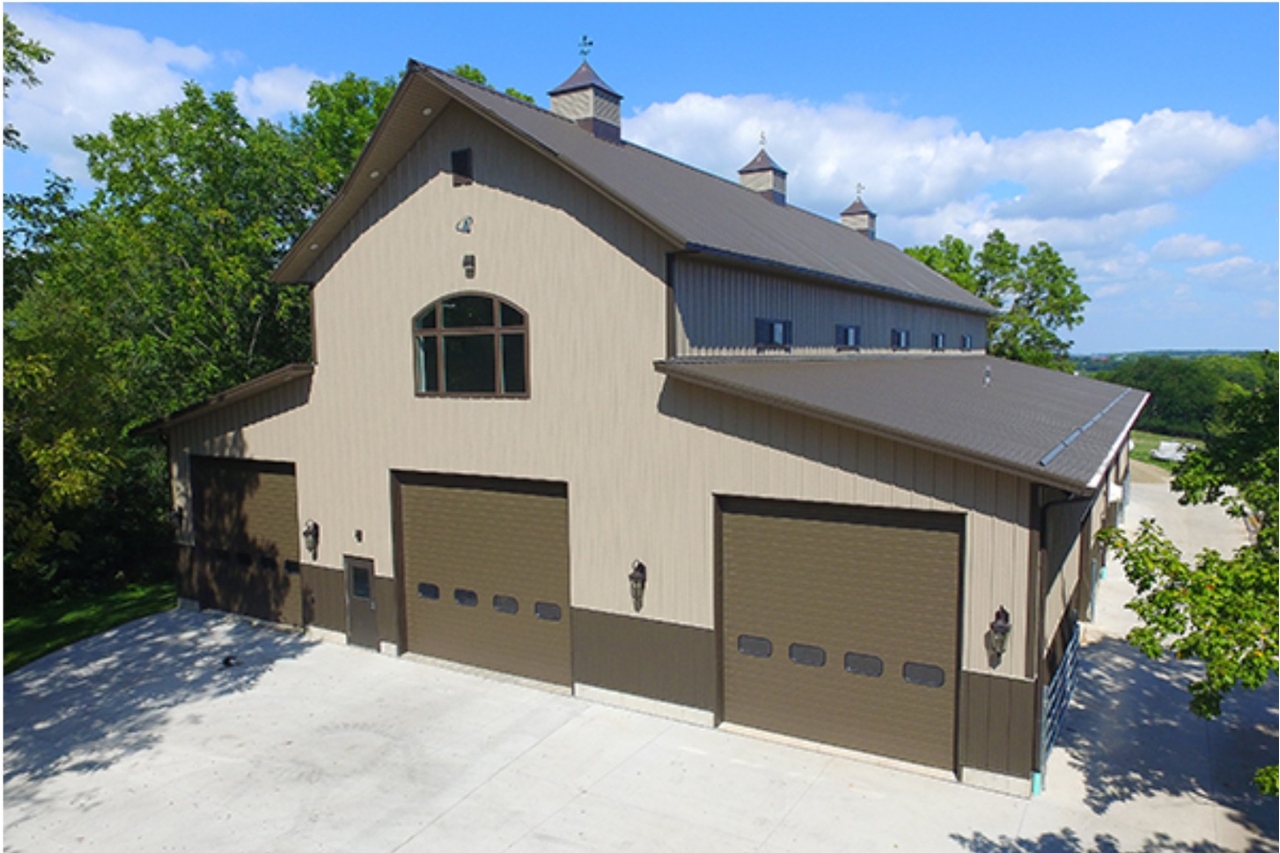
If you’re considering a monitor roof barn for your property in Colorado, you’re probably wondering one thing: is it actually worth it?
Monitor roofs are one of the most recognizable barn designs, known for their raised center section and added natural light. But in Colorado, they’re not just about looks. They impact structure, layout, and how your building performs in snow and changing weather conditions.
In this guide, we’ll break down:
- what a monitor roof is
- when it makes sense to use one
- when it doesn’t
- and what to consider before building in Colorado
What Is a Monitor Roof?
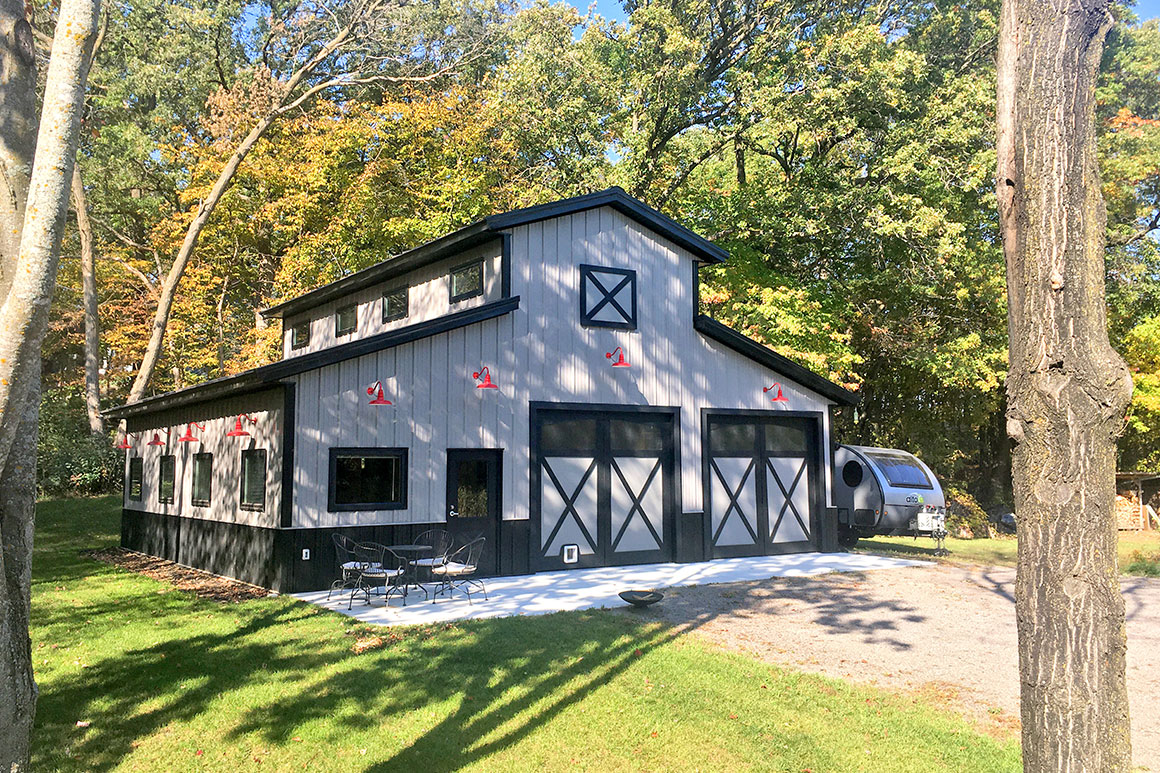
A monitor roof, sometimes called a raised center aisle, has a taller center section with shorter “wings” on each side. The side walls of the raised center section often include windows, allowing natural light in and helping with ventilation.
This design is commonly used in horse barns and agricultural buildings, and it’s closely tied to classic Western barn architecture.
Why People Choose Monitor Barns
A monitor-style barn can be a great design choice depending on how you plan to use the space. Some of the biggest advantages include:
- A classic, traditional barn appearance
- A natural center aisle layout for horse barns
- The ability to add a loft for storage
- Increased natural light from upper windows
- Improved ventilation, especially for livestock
- The ability to create separate functional areas within one building
When a Monitor Roof Makes Sense
Monitor barns are especially useful when you need one structure to serve multiple purposes.
For example:
- The center aisle can be used for tall equipment like RVs, trailers, or tractors
- One side can be enclosed for a workshop, tack room, or storage
- Another section can be dedicated to horse stalls or grooming areas
This layout makes monitor barns a strong option for:
- horse properties
- mixed-use buildings
- projects where separating spaces matters
Instead of building multiple smaller structures, a monitor design allows you to combine uses under one roof while still keeping areas functional and organized.
When a Monitor Roof May Not Be the Best Choice
A monitor roof isn’t the right fit for every project, and this is where a lot of people make the wrong call.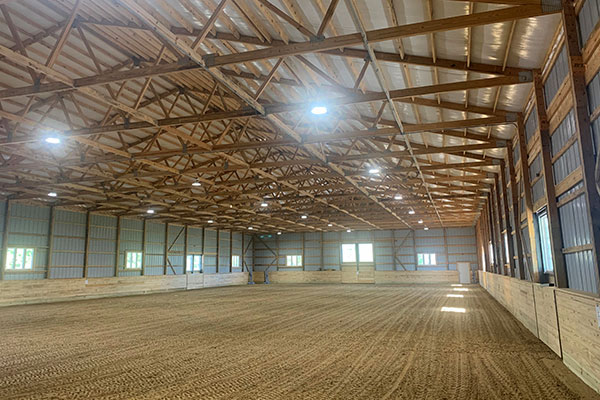
If you need a fully open interior (clear span), a monitor building is typically not the best option. Because of how the structure is framed, it usually requires support that reduces flexibility for wide-open layouts.
It may also not be the best option if:
- you want the most cost-efficient structure
- you don’t need separate interior sections
- you’re building a simple garage or storage building
Monitor buildings also tend to be taller, especially if designed for lofts or RV storage. That can impact:
- HOA approvals
- height restrictions
- overall complexity of the build
Monitor Roof vs Other Roof Styles
Choosing the right roof style comes down to how you plan to use the building.
Monitor Roof vs Gable Roof
A gable roof is the most common and cost-efficient option. It works well for simple garages, shops, and storage buildings.
A monitor roof adds complexity but gives you separate functional areas, more natural light, and a more traditional barn layout.
If you want simple and cost-effective, go gable
If you want function + aesthetics, monitor can make sense
Monitor Roof vs Monoslope Roof
A monoslope roof (single slope) is often used for modern designs and can work well for garages or shops, especially when height is needed on one side.
A monitor roof, on the other hand, is more symmetrical and better suited for traditional barn layouts with a center aisle.
Monoslope = modern, simple, functional
Monitor = traditional, sectional, more complex
Monitor Roof vs Gambrel Roof
A gambrel roof is designed to maximize upper-level space, often for hay storage or loft areas.
A monitor roof focuses more on usable space below, with separation between sections and added light through the raised center.
Gambrel = maximize loft space
Monitor = better layout and usability below
Key Design Considerations in Colorado
Building in Colorado adds a layer of complexity that a lot of online information doesn’t account for.
Some of the biggest factors to think through include:
- Snow load requirements – Roof structure must handle heavy snow depending on your location
- Height restrictions – Many HOAs and counties limit building height, which can impact monitor designs
- Zoning and setbacks – Especially in Douglas and Elbert County
- Drainage and site slope – Can affect how the building is positioned and built
- Engineering requirements – Monitor roofs require more detailed structural design
These are all things that should be worked through early in the design process.
What Impacts the Complexity of a Monitor Roof Build
Monitor roofs are not just a different look—they change how the building is constructed.
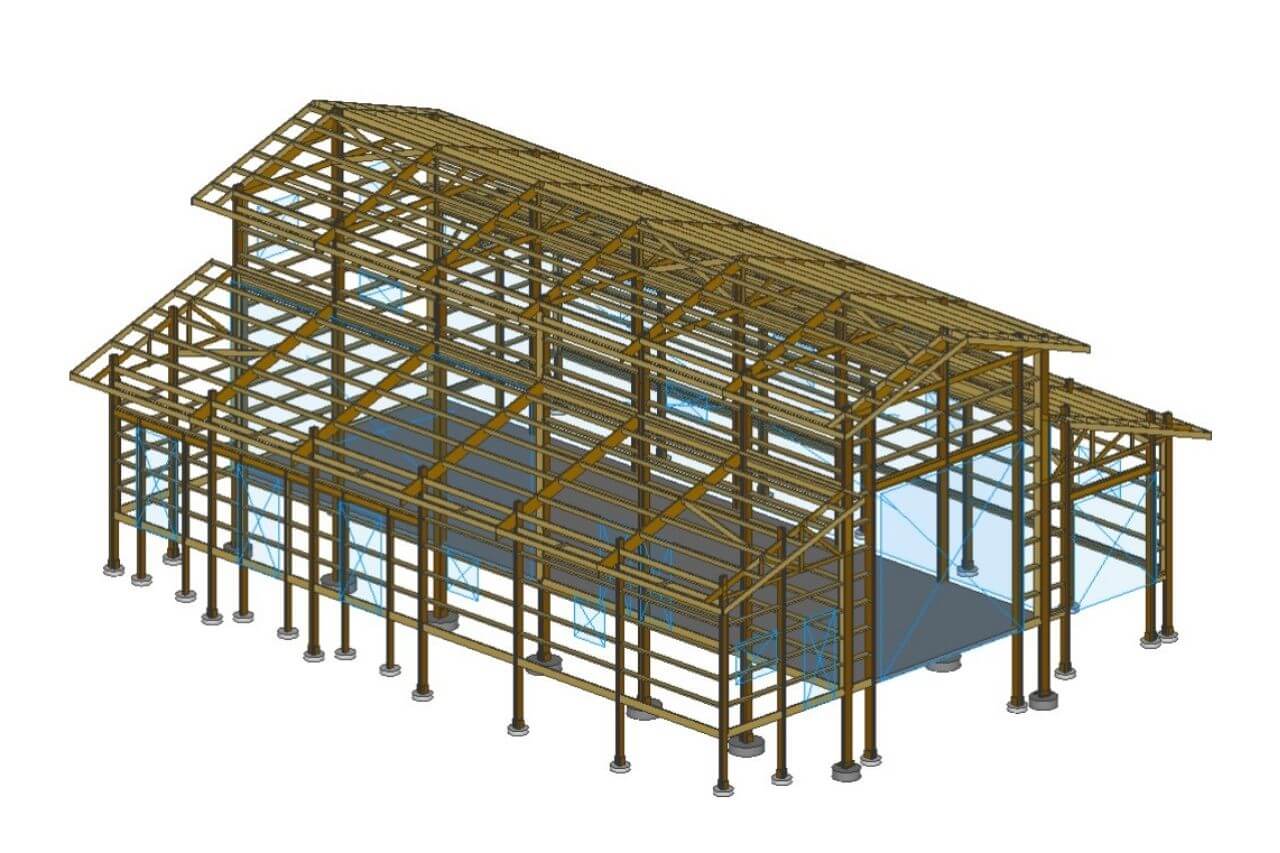
Post Frame Monitor Building
Some of the main factors that add complexity include:
- More advanced framing compared to standard roof styles
- Structural engineering requirements for the raised center section
- Integration of windows for light and ventilation
- Taller overall building height
- Site-specific conditions like slope and access
Because of this, it’s important to design the building around how you actually plan to use it—not just how it looks.
Real-World Use Cases
Monitor roofs are most commonly used in:
- Horse barns with center aisle layouts
- Buildings that combine storage, workspace, and animal areas
- Garages or shops where separate sections are needed
- Agricultural buildings that benefit from natural light and ventilation
They are not typically used for indoor riding arenas, since those structures require large clear span interiors without interior support.
Is a Monitor Roof Right for Your Project?
A monitor roof can be a great option—but only when it matches how you plan to use the building.
It’s usually a good fit if:
- you want a traditional barn layout
- you need multiple functional areas in one structure
- ventilation and natural light are important
It may not be the best fit if:
- you need a wide open clear span interior
- you’re trying to keep the structure as simple as possible
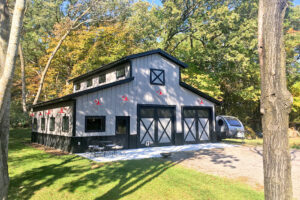
Monitor roof barn
- your property has strict height limitations
Work With a Builder Who Understands the Design
Every project is different, especially in Colorado where site conditions, snow load, and permitting all play a role.
We walk through your layout, building use, and property constraints to help you determine whether a monitor roof actually makes sense for your project—or if another design would serve you better.
If you’re planning a barn, garage, or shop and want help working through the design, reach out to
0 Comments