Design Basics for an Indoor Horse Arena in Colorado
Tips and Insights for a Functional, Comfortable, and Stylish Space
If you’re lucky enough to be designing an indoor horse arena in Colorado, you’re in for a treat—and a bit of a challenge. Colorado’s weather is famously unpredictable, swinging from sun-drenched afternoons to sudden snowstorms. That’s exactly why an indoor arena makes a fantastic investment for any equestrian who wants to keep riding year-round.
So, let’s talk about how you can design an indoor horse arena suited to Colorado’s unique climate, your horses, and your riding style.
Pick a Good Location
First things first: pick your spot wisely. Colorado is full of beautiful landscapes, but you’ll want to think about more than the view. Look for a building site with 1) good drainage, 2) easy access from your house or barn, and 3) protection from the harshest winds.
If possible, orient your indoor horse arena so the long sides face north-south. This helps maximize natural light and minimizes the impact of those icy winter winds. Plus, it’s a little easier on your utility bills if you plan to heat the arena.
Size Matters—But So Does Purpose
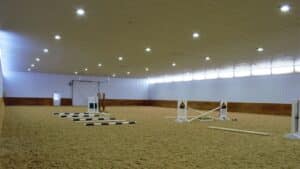
Let’s talk dimensions. The ideal size depends on how you’ll use the riding arena. Are you training jumpers, hosting dressage clinics, or just looking for a place to ride on snowy days? For most folks, a minimum of 60’ x 120’ works, but if you have the space (and budget), 80’ x 200’ gives you plenty of room for all disciplines. Don’t forget the height! Standard indoor arenas offer a minimum of 16’ at the eaves. But go higher if you’ll be jumping or want extra airflow.
Foundation and Footing: The Heart of the Arena
No matter what kind of riding you do, footing is everything. Colorado’s freeze-thaw cycles can wreak havoc on poorly prepared surfaces, so invest in a solid foundation for your horse arena in Colorado. Start with proper grading and a base layer of compacted road base or crushed stone. On top, add your riding surface. Washed sand is popular, but many riders mix sand with rubber, felt, or even wood chips for extra cushion and dust control. Make sure your footing drains well. You don’t want to end up with puddles or frozen patches.
Materials: Built to Survive Colorado Weather
Steel-frame buildings are tough and require minimal maintenance. This makes them superior choices for Colorado. For a more western and rustic look, wood arenas blend into the landscape, although they can require more upkeep. For siding and roofing, go with high-quality metal panels or engineered materials designed to withstand snow, hail, and blazing sun. Don’t forget insulation! Even if you’re not planning to heat the horse arena, insulation helps regulate temperature and reduces condensation, keeping your horses and riders comfortable.
Lighting and Ventilation: Bright, Airy, and Safe
Natural light is your best friend—especially in Colorado, where sunny days are plentiful. Install translucent panels or skylights along the roofline to let in daylight without the glare. For nighttime riding, LED fixtures are energy efficient and provide clear, shadow-free light. Good ventilation is crucial, too. Include plenty of operable windows, ridge vents, or even large roll-up doors to keep the air fresh and help control dust.
Extras That Make a Difference
Little touches can make your arena way more enjoyable. Add a viewing area with benches or a heated lounge for chilly days. Install a sound system for clinics or background music. If you plan to host events, consider bathrooms, storage rooms for tack and jumps, and even a kitchenette. These features aren’t strictly necessary, but they’ll make your arena a favorite spot for friends and fellow riders.
Budgeting and Planning Ahead
It’s easy to get carried away with fancy features but keep your budget in mind. Factor in not just the construction but also ongoing maintenance, utilities, and insurance. Talk to local contractors, such as the one stop builder Sapphire Construction in Douglas County. These experts know Colorado’s building codes and weather patterns. Experienced contractors can help you avoid costly mistakes and get the job done right. Remember to check for permits and zoning requirements before you move forward.
Final Thoughts
Designing an indoor horse arena in Colorado is all about blending practicality with comfort. Think about how you’ll use the space, plan for the wild weather, and invest in quality materials. With a little thought and planning, you’ll have a riding arena and comfortable environment all year, no matter what Mother Nature throws your way.
If you’re looking for expert help in building a high-quality equestrian arena, Sapphire Construction in Castle Rock is a top choice. With years of experience in Colorado’s unique climate and terrain, their team understands the importance of durable materials, proper insulation, and thoughtful design. Sapphire Construction works closely with clients to ensure every detail—from site preparation to finishing touches—meets the highest standards for safety, comfort, and longevity. Their local knowledge and commitment to quality craftsmanship can help you create an arena that’s built to last and perfectly suited to your needs.
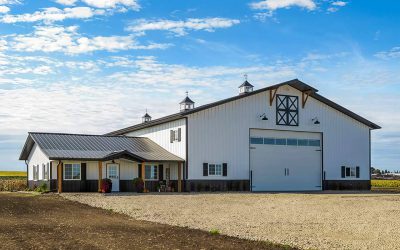
Planning a Pole Barn Project in Douglas County, Colorado Planning a pole barn project in Douglas County requires more than choosing a building size and layout....
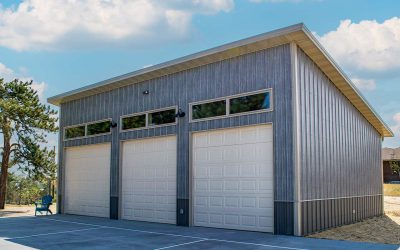
Pole barn vs. stick-built garage in Colorado: What's the difference? Both construction methods can work well, however, they are structurally different systems....
How Zoning and Height Restrictions Affect Barn and Garage Design in Colorado When planning a new barn or garage in Colorado, barn zoning and height restrictions in...




0 Comments