
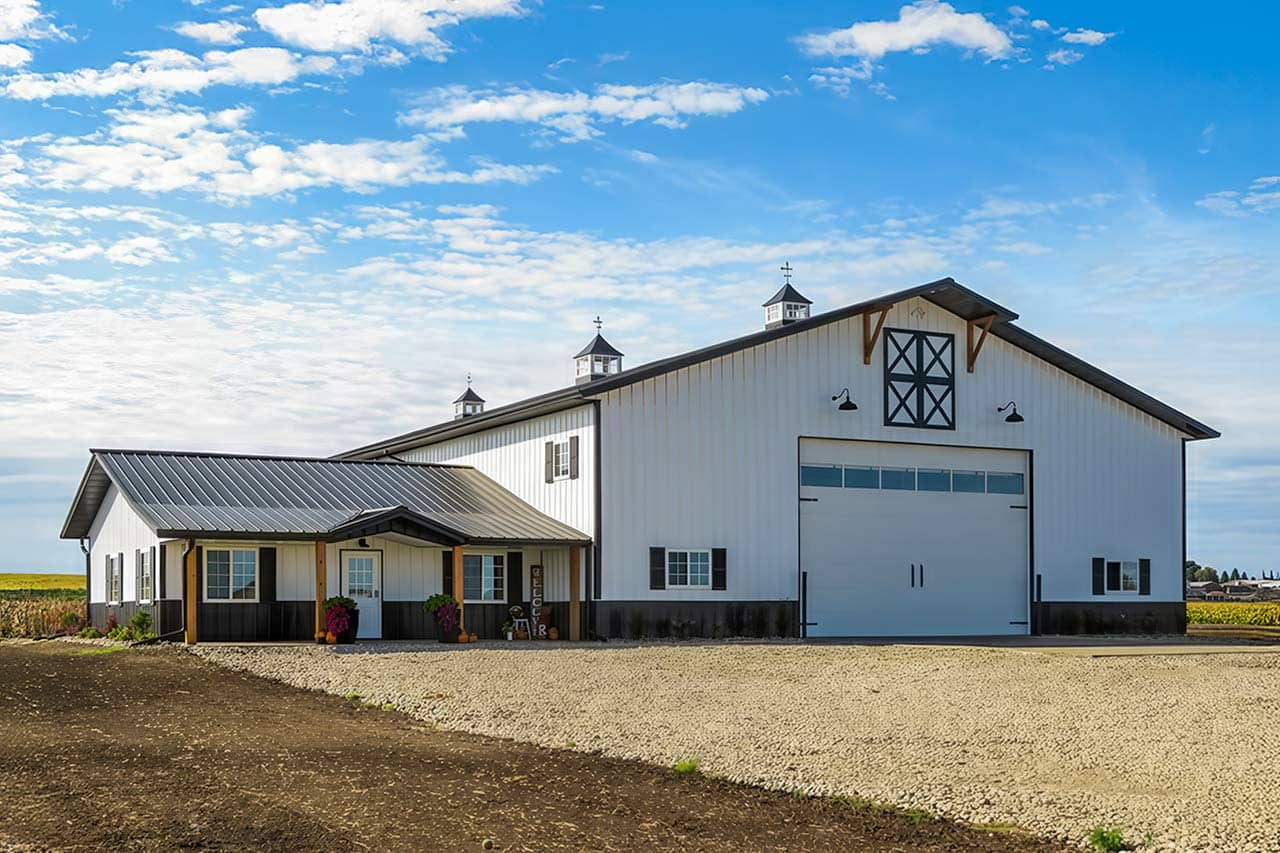
How Zoning and Height Restrictions Affect Barn and Garage Design in Colorado
When planning a new barn or garage in Colorado, barn zoning and height restrictions in Colorado play a much bigger role than most people expect
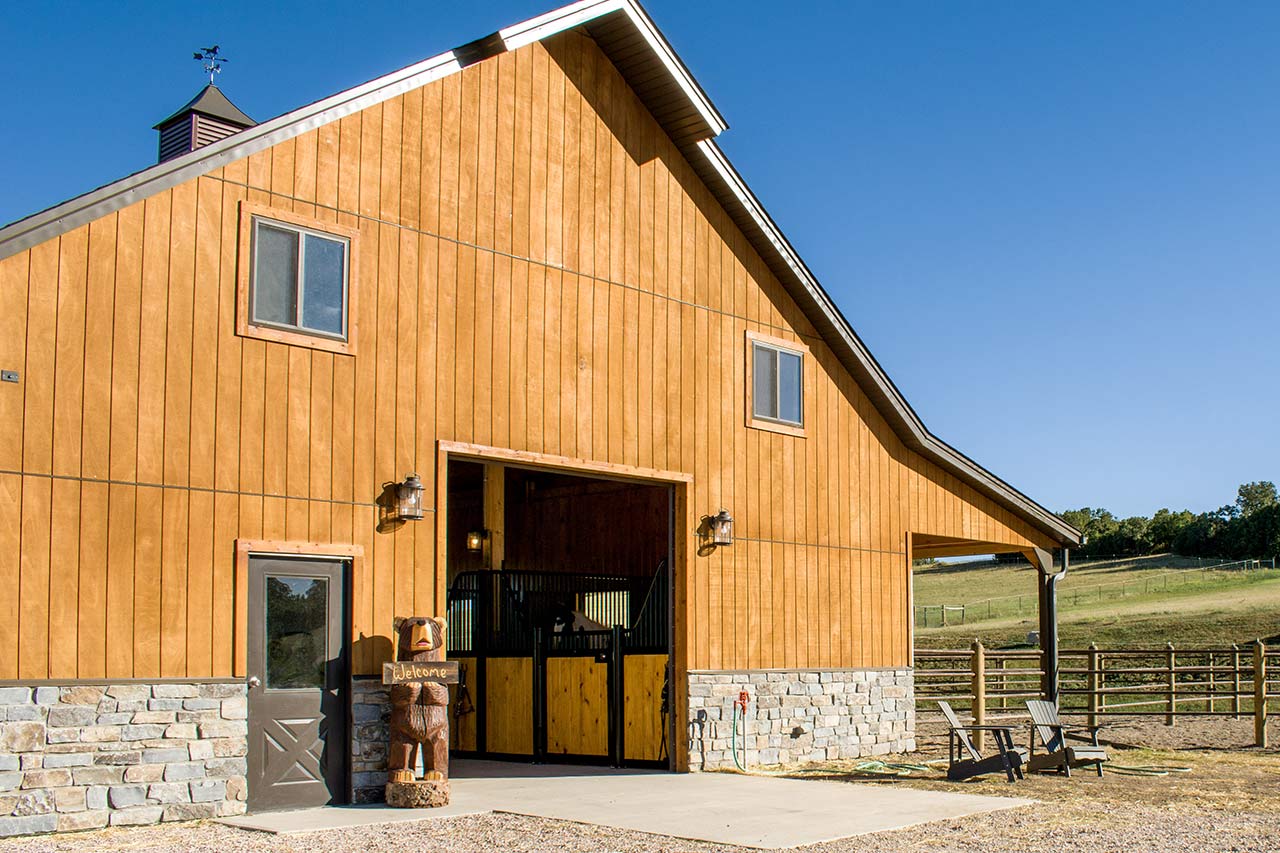
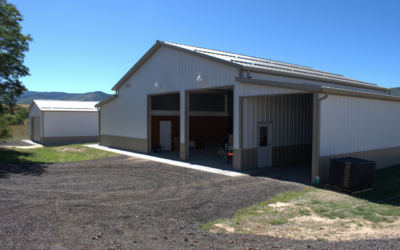
Post frame barn located in Franktown HOA
. Zoning rules and height restrictions often play a much bigger role than most people expect. These regulations can affect roof style, door height, loft space, and even where a building can sit on your property.
Sapphire Construction Inc. regularly works with landowners in Douglas and Elbert counties who are surprised by how much zoning influences what can be built. Understanding these limits early helps avoid redesigns, delays, and unexpected costs.
Why Zoning Matters Before You Design a Building
Every county and many HOAs have their own zoning requirements. These rules control things like:
- Maximum building height
- Setbacks from property lines
- Number of accessory buildings allowed
- Use of the structure
Even properties that look similar can fall under very different rules.
Because of this, a building that works on one parcel may not be allowed on another just down the road.
Height Restrictions and Roof Design
Height limits are one of the most common challenges we see.
Some zoning areas cap building height based on overall structure height. Others measure from grade to roof peak. This can directly impact:
- Monitor roof designs
- Loft space
- Tall garage doors
- Interior clearance
A roof style that looks great on paper may exceed local height limits once engineering is applied.
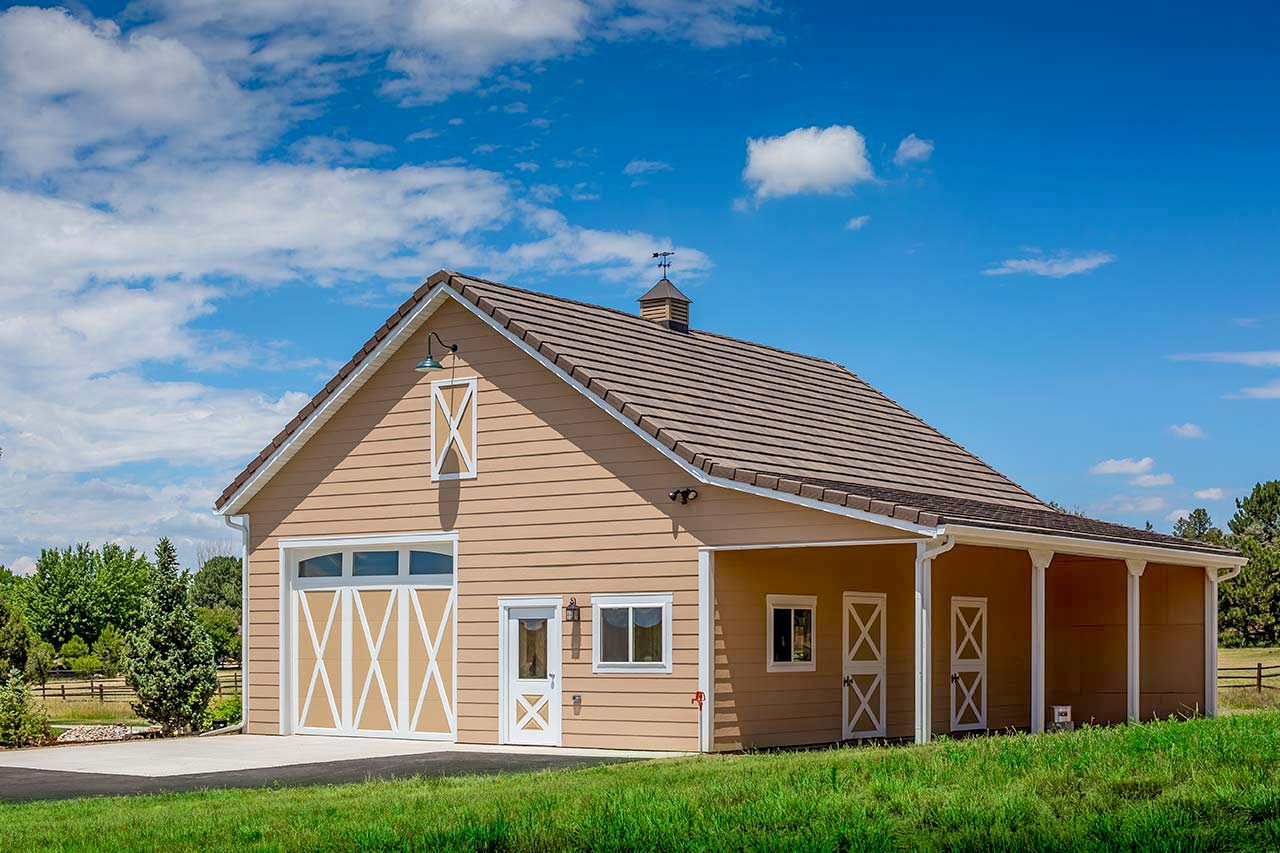
Pole barn garage located in Centennial HOA
This is why design and zoning should always be considered together.
How Lofts and Second Stories Are Affected
Many clients want loft storage or a second level above stalls or garage space. While this is often possible, height limits can make it tricky.
Adding a loft requires:
- Extra wall height
- Structural framing
- Clearance for doors and use below
In some zoning areas, adding that extra height pushes the building past what is allowed. This can limit door size or force major design changes.
Checking height rules early helps determine whether a loft makes sense for your property.
Setbacks and Building Placement
Setbacks control how far a building must be from:
- Property lines
- Roads
- Other structures
These distances vary by county and zoning type.
Setbacks can affect:
- Building size
- Orientation
- Driveway access
- Future additions
On smaller acreage, setback rules sometimes become the biggest design challenge.
HOA Rules vs County Zoning
For example, in some areas, homeowners associations have additional requirements on top of county rules. These may include:
- Architectural style
- Roof pitch or materials
- Color restrictions
- Maximum building size
Even if county zoning allows a certain structure, HOA rules can still limit design choices.
It is always important to check both before finalizing plans.
Why Early Planning Saves Time and Money
One of the biggest mistakes people make is designing a building first and checking zoning later.
When zoning is reviewed after design:
- Roof styles may need to change
- Door heights may shrink
- Lofts may be removed
- Building size may be reduced
As a result, this often leads to frustration and additional design costs.
Starting with zoning guidelines creates a smoother and faster building process.
Working With a Local Builder Makes a Difference
Zoning rules are not always easy to interpret. Local experience helps spot issues before they become problems.
At Sapphire Construction, we regularly help clients navigate zoning considerations while designing barns and garages that work within local requirements.
Our goal is to create buildings that look great, function well, and meet regulations without unnecessary redesigns.
Designing a Building That Works Long Term
Zoning may feel restrictive at first, but it often helps guide smarter building choices.
By understanding height limits, setbacks, and usage rules early, you can:
- Choose the right roof style
- Plan door heights correctly
- Maximize usable space
- Avoid future conflicts
As a result, a well-planned design leads to fewer surprises and a better finished building.
Choosing the Right Approach for Your Property
There is no one-size-fits-all solution when it comes to zoning and height restrictions in Colorado. Each property comes with its own set of rules and opportunities.
Taking time to understand these guidelines upfront helps ensure your barn or garage is designed to fit both your needs and local requirements.
If you are planning a building in Douglas or Elbert County and have questions about zoning, we are happy to help walk through the process and design options.
0 Comments